A new tab in your closet
Don't wear plastic.
Most of your clothes are made from plastic and you don't even know it. Fibr shows you what every garment is really made of while you shop, so you never buy plastic by accident again.





Are you a brand? Claim your profile
See it on any shop you already love.
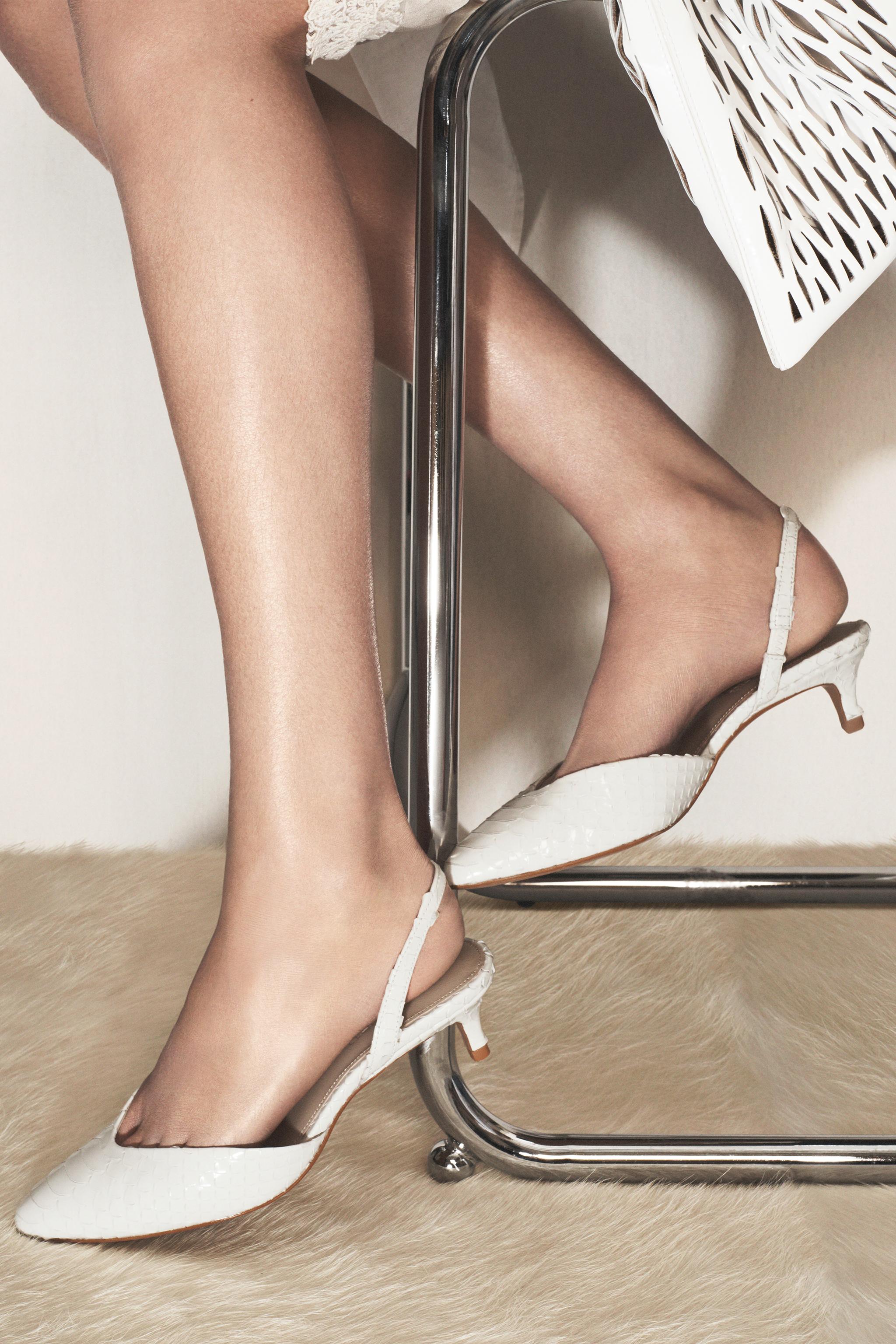
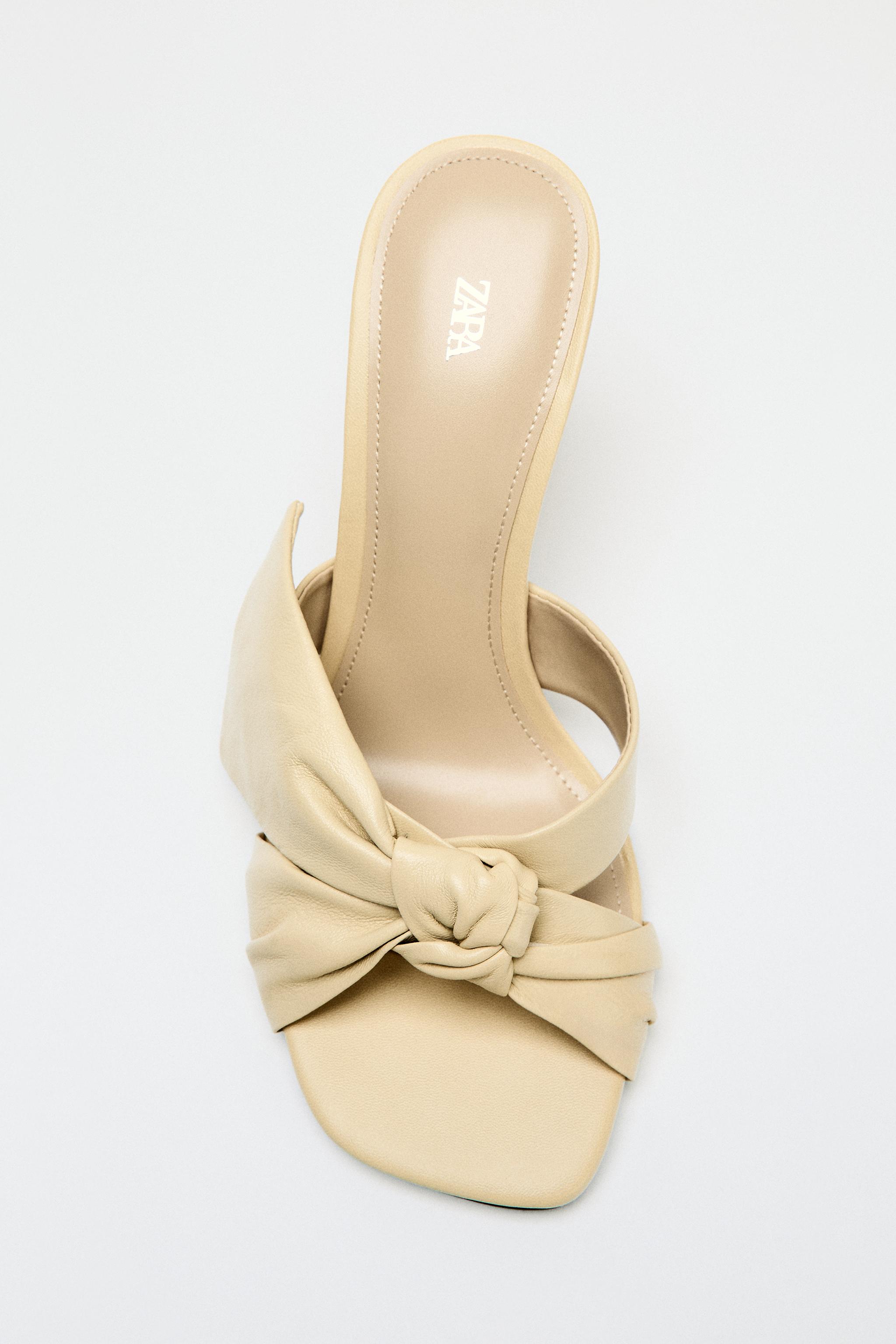
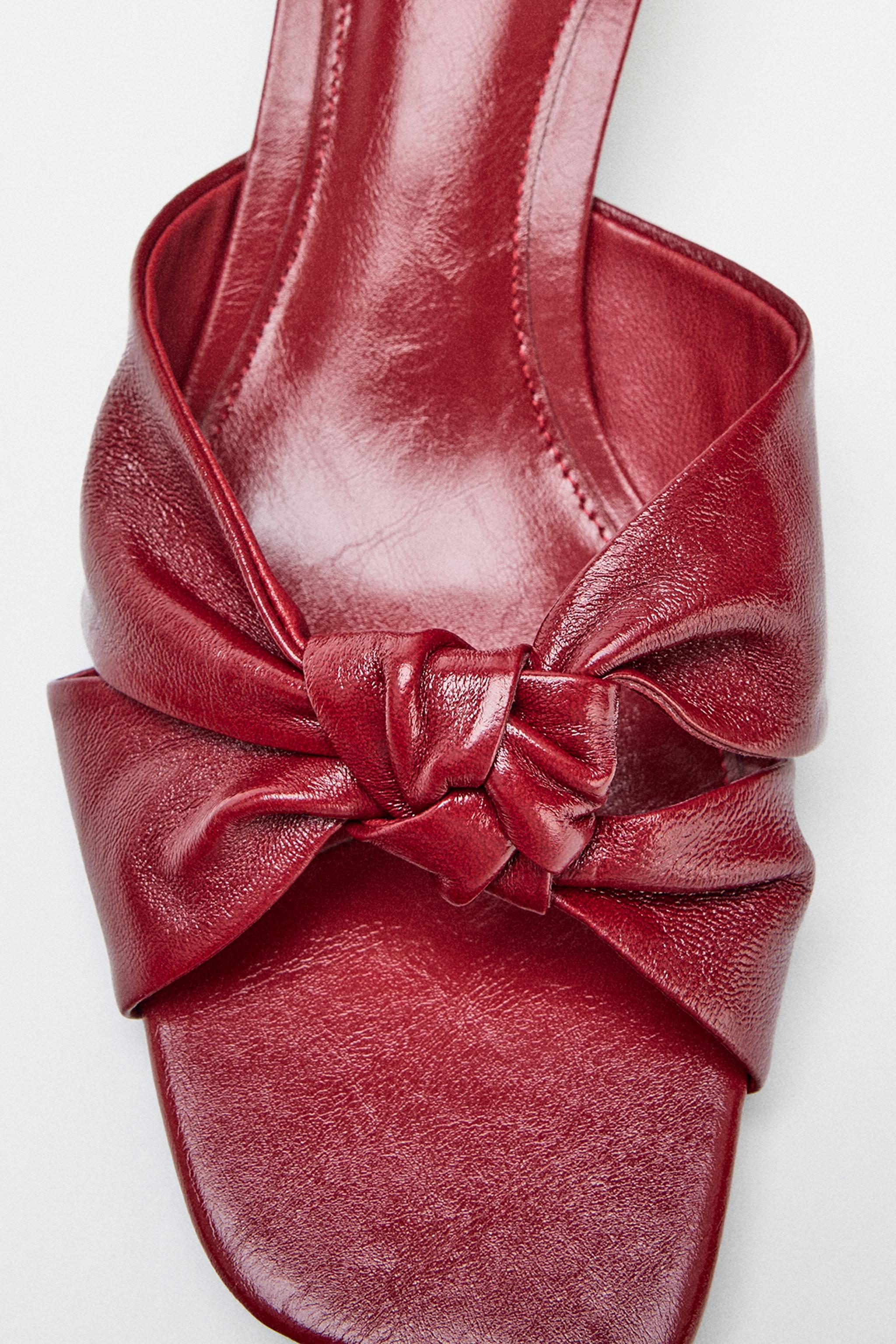
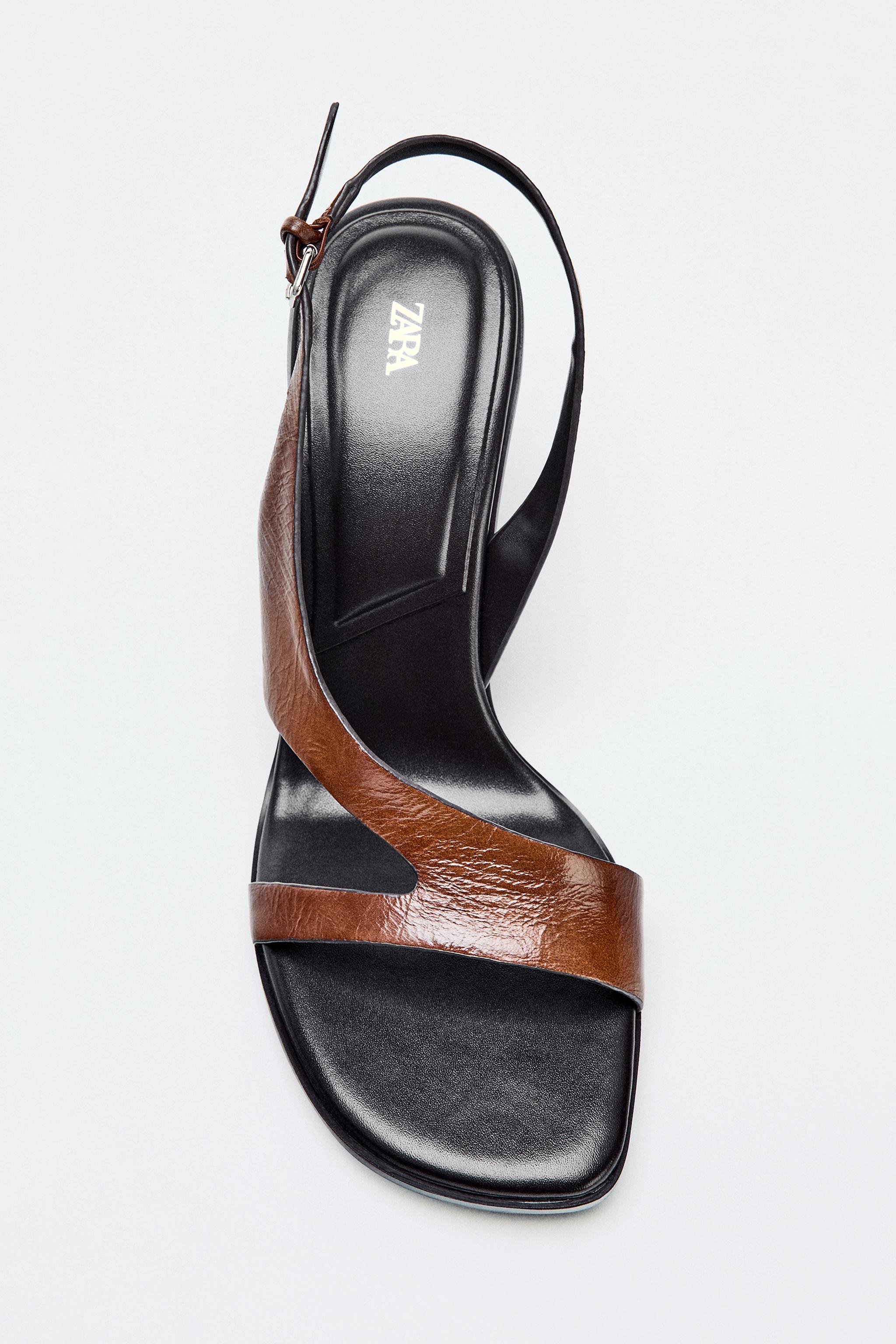
LEATHER KITTEN HEEL SHOES - THE ITEM ZARA WOMAN
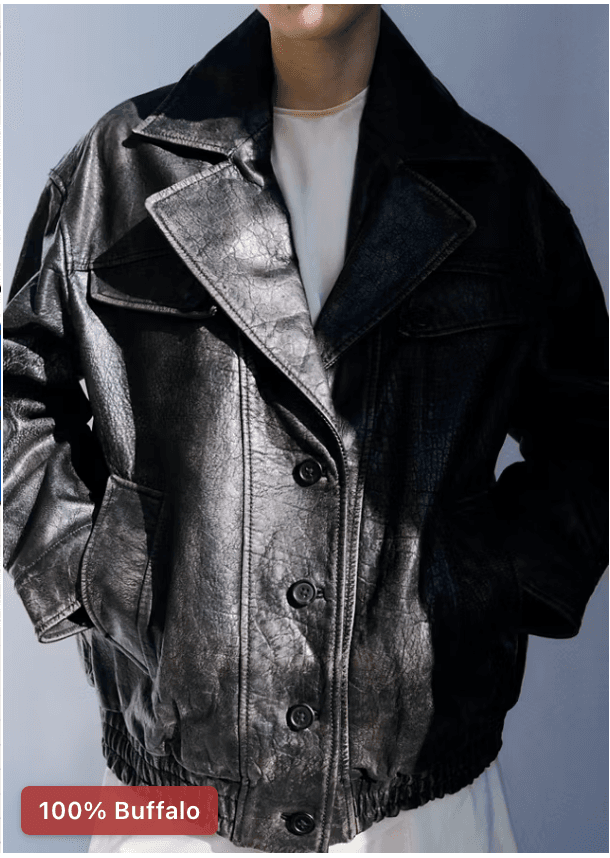
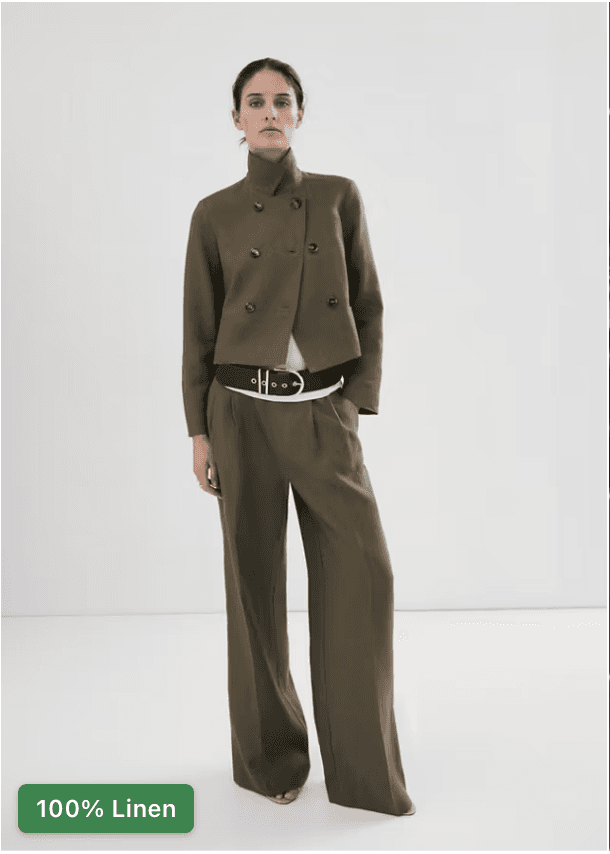
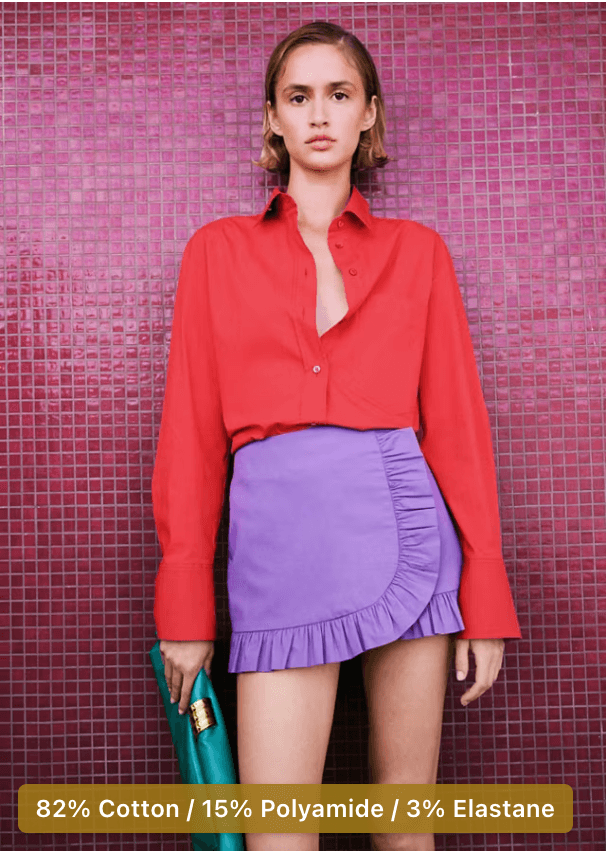
Three colors. One glance.
Most people have no idea that polyester, nylon, and acrylic are all made from petroleum. Fibr reads the label so you don't have to.
🌿 From the earth.
Grown, sheared, or harvested. Breathes on your skin, biodegrades when it's over, and sheds zero microplastics. These are the fabrics your grandparents wore — they worked then and they work now.
Your skin can actually breathe. No trapped heat, no sweat.
A cotton shirt biodegrades in months. A linen shirt in weeks.
Wash them as many times as you want. Nothing plastic enters the water.
⚖️ It's mixed.
A bit of natural, a bit of synthetic. Often the practical middle ground — stretchy jeans, wrinkle-free shirts — but impossible to recycle cleanly because the fibres can't be separated.
The stretch in your jeans? That's elastane blended with cotton.
Mixed fibres can't be separated for recycling. They end up in landfill.
Not terrible, not great — now you know exactly what you're getting.
🛢️ Made of plastic.
Petroleum-derived fibres. The same raw material as plastic bottles, shaped into thread. Cheap to make, hard to recycle, and they shed microplastics with every wash.
Traps heat and sweat against your skin. That scratchy feeling? Plastic.
Every wash sheds up to 900,000 microplastic fibres into the water.
200+ years to decompose. A shirt you throw away today outlasts you.
Plastic's the headline. The rest is the upgrade.
People install Fibr because they don't want to wear plastic. They keep it because of what changes after.
No more label hunting.
The composition gets pulled out of the page automatically and put on top of the product image. You see it before you click, before you cart, before you regret.
Clothes that stay clothes.
Cotton, linen, and wool hold their shape, take repairs, and survive a hundred washes. Polyester pills in a season. Knowing the difference is half the battle.
Your skin gets air.
Natural fibres wick sweat and let heat out. Polyester traps it. If you’ve ever felt that clammy mid-afternoon shirt feeling, you’ve felt the difference.
Cost per wear actually drops.
A €40 polyester top you replace every six months costs more than a €90 cotton one that lives in your closet for five years. Fibr makes the math obvious at the moment of buying.
What we found across 95,704 products.
We scrape fabric composition data from 55major retailers every month. Here's how their fabric breaks down.
Read the 2026 State of Fashion Fabric report →
See which brands actually use the most natural fibres →
Already reading 54 retailers.
Fibr works wherever you shop. Every product gets scanned, every label gets read.
Questions we get asked.
Common questions.
[email protected]
01How is fibr free?
fibr is free for shoppers, forever. Reading composition data that brands publish on their own websites is the core product, and that will never be paywalled.
We may eventually charge brands for premium features like analytics, verification badges, or supply-chain tools — but those are optional and don’t affect what shoppers see.
02Do brands pay to be on fibr?
No. We add brands based on two things: shopper demand (how many people request a site) and data availability (whether composition is published clearly). Paying us doesn’t get you in faster.
03What if a brand doesn’t publish composition?
We mark it as “data not available” in the extension — same as walking into a store with no fiber tag. We don’t guess and we don’t make up numbers.
If you’re a brand and your data isn’t published yet, submit anyway and we’ll work with you on getting it on your product pages.
04How long does it really take to add a store?
Two weeks is our target. Simple sites with clean composition data can be live in 3–5 days. Complex multi-region catalogs or sites with paywalled product pages take longer — sometimes a month.
The queue is sorted by request count, so the more people who ask for a brand, the faster it moves.
05Why these three colors?
We chose red, yellow, green for the same reason traffic lights work — they’re universally legible at a glance, even peripherally, without needing to read text.
Red means synthetic (plastic-derived). Yellow means a blend. Green means natural fiber. That’s the whole vocabulary you need.
06Does fibr collect my data?
No personal data, no tracking, no analytics on what you browse. fibr only activates on stores it knows how to read, and processes the page locally in your browser.
If you submit a brand request and leave an email, we use it for that one notification — and that’s the only piece of personal data we touch.
07Can I use fibr in another country?
Yes — fibr supports regional domains for stores that have them (Zara.es, Zara.uk, etc.). When you submit a brand, include the regional URLs you care about most in the note field and we’ll cover them.
Pin fibr so it's always one click away.
The icon lives in your toolbar. Fibr only activates on stores you visit — nothing runs in the background.
Add to Chrome, It's Free→Free · No account · Privacy-first