Thread Report · 894 products analyzed · Updated July 27, 2026
What is Anthropologie made of?
Better than most. Anthropologie averages 60.2% natural fibre, which puts them ahead of many competitors. But not everything is equal.
According to Fibr's Thread Report (July 2026), 14.3% of Anthropologie's 894 analysed products are majority-synthetic, with an average natural-fibre content of 60.2%.
Anthropologie's jeanss are 93.7% natural fibre, but their jackets are just 45%. That's a 49-point gap — where you shop within Anthropologie matters as much as whether you shop there at all.
The full picture on Anthropologie.
Anthropologie sits in the middle of the pack with an average of 60.2% natural fibre across 894 products — a mix of natural and synthetic. Only 14.3% of products are polyester-heavy — relatively low compared to many retailers. 36.6% of products are nearly all-natural (95%+ natural fibre). The most common fibre across Anthropologie products is Cotton, appearing in 49.3% of items.
How Products Break Down
- 24.5%
Synthetic
<30% natural fibre · 219 products
- 35%
Blend
30–85% natural fibre · 313 products
- 40.5%
Natural
85–100% natural fibre · 362 products
Most Common Fibres (% of products containing)
Where to buy (and avoid).
Not all categories at Anthropologieare equal. Here's where the natural fibres are.
Safe Zones · 70%+ natural
What we found.
Across 894 products analyzed, Anthropologie averages 60.2% natural fibre content.
14.3% of Anthropologie products are majority polyester — that's 128 items made mostly from plastic.
Anthropologie jeanss are their strongest category at 93.7% natural fibre (103 products).
Their weakest category: jackets at just 45% natural (11 products).
Only 36.6% of products (327 items) are 95%+ natural fibre.
| Category | Products | Avg Natural % |
|---|---|---|
| Jeans | 103 | 93.7% |
| T-Shirt | 26 | 85.4% |
| Sweater | 12 | 82.3% |
| Shirt | 89 | 79.1% |
| Coat | 6 | 78.8% |
| Pants | 118 | 61.1% |
| Dress | 243 | 58.7% |
| Shorts | 30 | 53.7% |
| Skirt | 64 | 53.3% |
| Jacket | 11 | 45% |
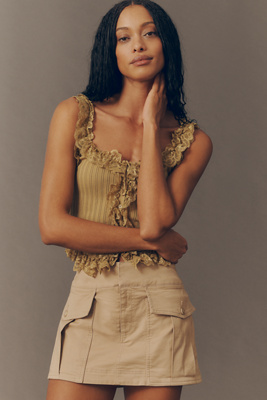
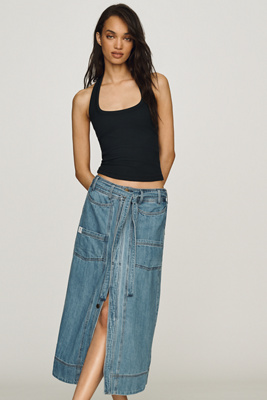
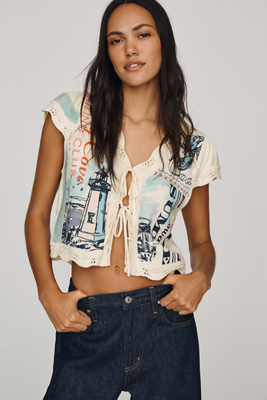
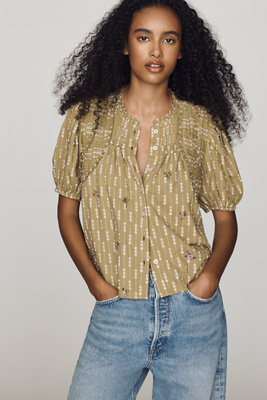
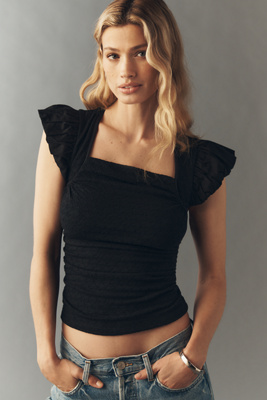
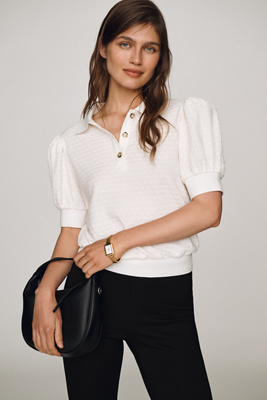
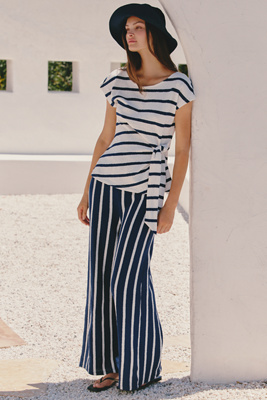
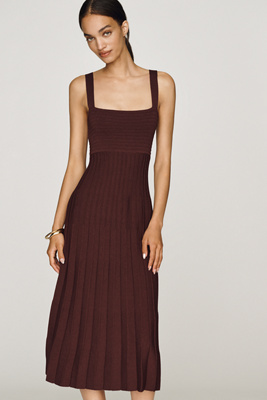
Sample Products
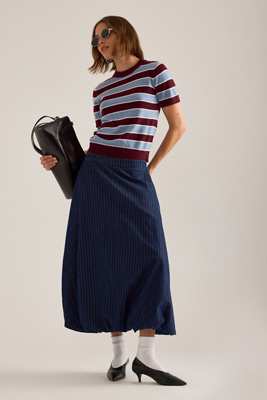
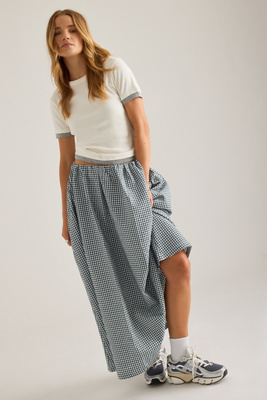
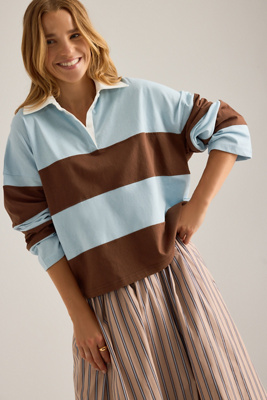
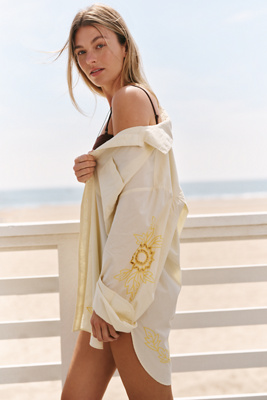
A selection of Anthropologie products from our database — from most natural to most synthetic. Click to view on the retailer's site.
The verdict.
Anthropologie is one of the better options for natural fabrics. With 36.6% of products being nearly all-natural, you have real choices here. Still — always check the label. Not every item is created equal.
Monthly Thread Reports
Get reports like this in your inbox.
We analyze thousands of products every month. Be the first to see new Thread Reports — fabric data nobody else publishes.
No spam. Unsubscribe in one click.
Frequently asked questions.
What is Anthropologie clothing made of?
Based on our analysis of 894 Anthropologie products, the average garment is 60.2% natural fibre. The most common single fibre is Cotton (in 49.3% of products). The remaining material is typically synthetic — polyester, polyamide, or acrylic.
Is Anthropologie cotton?
Sometimes — cotton appears in 49.3% of the 894 Anthropologie products we analyzed, but it's usually blended with synthetics. Only 36.6% of items are nearly all-natural (95%+ natural fibre), so check the composition before assuming a piece is pure cotton.
Is Anthropologie 100% cotton?
Some pieces are. Of the 894 Anthropologie products we analyzed, 297 are 100% cotton (or near-pure, 95%+) — that's 33.2% of the catalog. The rest are blends.
How much polyester does Anthropologie use?
14.3% of Anthropologie products are polyester-heavy, meaning polyester makes up 50% or more of the garment. This is below average for fast fashion retailers.
Is Anthropologie mostly synthetic?
14.3% of Anthropologie products are polyester-heavy (50%+ polyester). Average natural fibre content is 60.2%, so the rest of the catalog is mostly natural-led.
Does Anthropologie use natural fabrics?
36.6% of Anthropologie products are nearly all-natural (95%+ natural fibre). A decent portion of their range avoids synthetic fibres entirely.
Is Anthropologie sustainable in terms of fabric?
Fabric composition is one factor in sustainability. With an average of 60.2% natural fibre, Anthropologie is better than many competitors on this measure. Natural fibres generally biodegrade and shed fewer microplastics than synthetics.
Use this data.
The Thread Report is openly licensed. Cite it, download it, query it directly — just link back to the source page.
- Last updated
- Raw dataset (JSON)
- info.tryfibr.app/anthropologie.json ↓
- Computed stats (JSON)
- /api/thread-report/anthropologie
- About the dataset
- How it's built & how to cite it
- LLM index
- /llms.txt
Suggested citation
Fibr Thread Report — Anthropologie, 2026-07-27. tryfibr.app/thread-report/anthropologie
Related reports.
Explore the Thread Report
Part of an openly-licensed dataset.
This page is one view of Fibr's Thread Report — fabric composition data for major fashion retailers, free to read and cite. Explore the rest:
Stop buying plastic by accident.
Fibr shows you what every garment is actually made of before you buy it. Green means natural fibre. Red means plastic.
Add to Chrome — It's freeFree forever. No account, no data collected, nothing to lose.